
Finding the Right Nursery for Your Child
Why This Decision Feels So Big
Choosing a nursery is one of those decisions that feels much heavier than people expect.
On the surface, it’s practical — opening hours, location, availability. But underneath that, it’s emotional. Deeply so.
You’re not just choosing a place for your child to spend their day. You’re choosing who they’ll learn from, who they’ll be comforted by, who they’ll trust when you’re not there.
And that can feel overwhelming.
Most parents don’t talk enough about that part — the quiet doubts, the second-guessing, the late-night scrolling through Facebook groups, the conflicting advice from well-meaning friends and family. Everyone seems to have an opinion, and sometimes those opinions feel louder than your own instincts.
It’s completely normal to wonder:
- Am I making the right choice?
- What if I miss something important?
- How do I really know what goes on once I leave the room?
If you’re feeling unsure, cautious, or even a little anxious about choosing a nursery, that doesn’t mean you’re overthinking it.
It means you care.
This guide isn’t here to tell you there’s only one “right” answer. It’s here to help you cut through the noise, understand what really matters, and feel more confident in trusting your judgement — whatever you decide.
Because choosing a nursery shouldn’t be about pressure, panic, or promises. It should feel considered, informed, and right for your family.

Why This Decision Feels So Hard
And Why That’s Not a Bad Thing
If choosing a nursery feels harder than you expected, there’s a good reason for that.
Ask a few people for advice and you’ll quickly realise — everyone has an opinion. Friends, family, other parents, Facebook groups… suddenly you’re flooded with recommendations, warnings, and strong views that don’t always line up.
Some people will tell you “this place is amazing.” Others will say “I’d never send my child there.” And often, they’re talking about the same nursery.
That can be confusing. And exhausting.
The truth is, most nurseries look quite similar on the surface. They all promise care, learning, safety, and structure. Websites are polished. Photos are bright. Reviews can swing from glowing to critical depending on who’s writing them and why.
But here’s the important part:
That confusion doesn’t mean you’re doing something wrong. It means you’re thinking carefully.
When something really matters — like who looks after your child — your brain naturally looks for certainty. And when certainty isn’t obvious, hesitation creeps in.
That’s not indecision. That’s intelligence.
This is why so many parents say things like “I just didn’t know how to tell the difference,” or “they all sounded good, but none of them quite felt right.”
And that’s where instinct quietly comes into play.
You might not be able to explain it straight away, but you often know when something feels off — or when something feels calm, genuine, and right for your child. It’s the way staff speak to children. The atmosphere in the room. The way questions are answered. The small details you notice without trying.
Facts matter. Of course they do. But feeling safe, listened to, and understood matters just as much.
If you’re finding it hard to choose, it’s usually because you’re trying to do more than tick boxes.
You’re trying to choose a place that feels like an extension of home — and that takes time, thought, and trust in your own judgement.

What Really Matters When Comparing Nurseries
Looking Beyond the Surface
Once you’ve visited a few nurseries, it’s easy to feel like they all start to blur into one.
Most will show you tidy rooms, colourful displays, daily routines, and learning plans. And on paper, many of them tick the same boxes — ratios, policies, qualifications, opening hours.
But the things that matter most rarely sit on a brochure.
What really makes a difference is how a nursery feels once the doors close behind you.
It’s in the way staff speak to children — not just when someone is watching, but in the quiet, everyday moments. It’s in how children move through the space — whether they seem relaxed and confident, or overstimulated and unsettled. It’s in how problems are handled, how questions are answered, and how open the communication feels.
Parents often tell us they start their search focused on practical details, but end it paying attention to very different things:
- Does my child feel safe here?
- Will they be known as an individual?
- Will someone notice if they’re having a hard day?
- Will I feel comfortable asking questions — even the awkward ones?
These aren’t small concerns. They’re the foundation of trust.
A nursery can follow every guideline and still not be the right fit for your family. And that doesn’t make it a bad nursery — it just means that fit matters more than features alone.
The most confident decisions usually come when facts and instinct line up. When what you’re told matches what you feel. When nothing feels rushed, forced, or glossed over.
And when you leave thinking, “I could see my child here.”
That’s when you know you’re asking the right questions — even if you’re still taking your time to answer them.

WHAT “EXTRA CARE” ACTUALLY LOOKS LIKE
When people talk about a “good” nursery, they often mean the basics are covered. Safe. Clean. Friendly staff. A busy day.
But extra care usually shows up in much smaller, quieter ways.
It’s in environments that feel familiar rather than institutional — spaces designed to feel like an extension of home, not a place children have to “settle into” every morning. Rooms where children can slow down, rest when they need to, and feel secure enough to explore at their own pace.
It’s in food that’s prepared with intention, not convenience. Meals that are cooked fresh, where nutrition matters and children are encouraged to try, taste, and learn — without pressure or shortcuts. Because what children eat doesn’t just fuel their bodies; it shapes habits they’ll carry for years.
It’s in time spent outdoors, not just when the weather is perfect, but as a regular part of learning. Fresh air, movement, curiosity, muddy shoes — all the things that help children build resilience, confidence, and a connection to the world around them.
It’s also in emotional development. The way adults respond to big feelings. The patience shown during difficult moments. The consistency children experience day after day. These are the foundations of trust — and trust is what allows children to grow socially, emotionally, and independently.
And sometimes, extra care extends beyond the nursery walls altogether. Into the wider community. Into moments where children learn kindness, empathy, and connection simply by being present with others — young and old alike.
These things don’t always appear on brochures or comparison tables. But they’re often what parents notice most, once they step inside and feel the atmosphere for themselves.
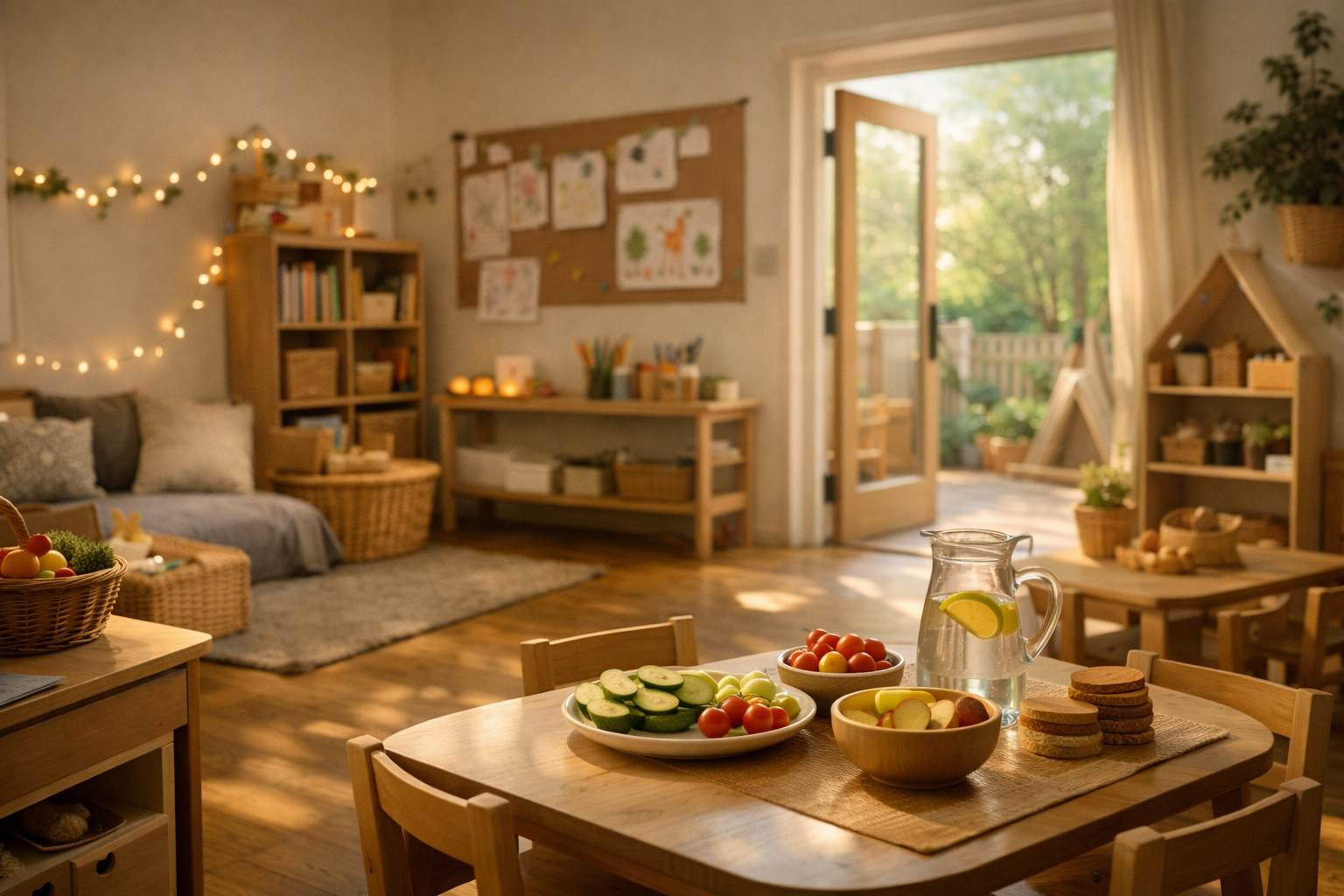 “See if this feels right for your child”
WHEN A NURSERY BECOMES PART OF THE COMMUNITY
At some point, childcare becomes about more than routines and learning outcomes.
It becomes about how children understand the world around them.
For many families, the moments that matter most aren’t always the planned activities — they’re the experiences that quietly shape kindness, patience, and empathy. The moments where children learn how to be with others, not just alongside them.
This is where the community begins to play a role.
When children step beyond familiar rooms and meet people of different generations, something powerful happens. They learn to listen. To slow down. To notice how their presence can brighten someone else’s day.
Preparing for a visit, walking together, holding hands along the way — these experiences matter just as much as what happens when they arrive. Fresh air, movement, conversation. Small steps that build confidence and awareness.
And when children sit beside older members of the community — sharing stories, smiles, and quiet moments — learning takes on a different meaning. It becomes human. Real. Grounded in connection rather than instruction.
These interactions don’t need to be loud or complicated to be meaningful. Often, they’re gentle. Calm. Full of warmth on both sides. And they stay with children long after the day itself has ended.
Not every nursery experience can offer this kind of connection. But when it does happen, it tends to leave a lasting impression — on children, families, and the wider community alike.

WHY ONE SIZE NEVER FITS ALL
There’s a simple truth that often gets lost when parents are searching for childcare:
Good nurseries exist. But the right nursery is personal.
What works perfectly for one family may not suit another — and that’s okay.
Some parents prioritise convenience. Others look for structure. Some want large, busy environments, while others are drawn to calmer, more familiar settings. Every family arrives with different needs, routines, values, and expectations.
That’s why opinions can feel so loud.
Online comments, local conversations, and well-meaning advice can pull you in different directions. Everyone speaks from their own experience — their own child, their own situation, their own moment in time.
The most confident decisions usually come when families step back from the noise and focus on what matters to them.
Seeing a nursery in person. Asking questions. Noticing how staff respond — not just what they say. Watching how children interact with the space and the adults around them.
When families take the time to do this, the decision tends to feel less like a comparison and more like a recognition.
Not “Is this the best nursery?” But “Is this the right place for our child?”
And when that question is answered honestly, the choice becomes much clearer.
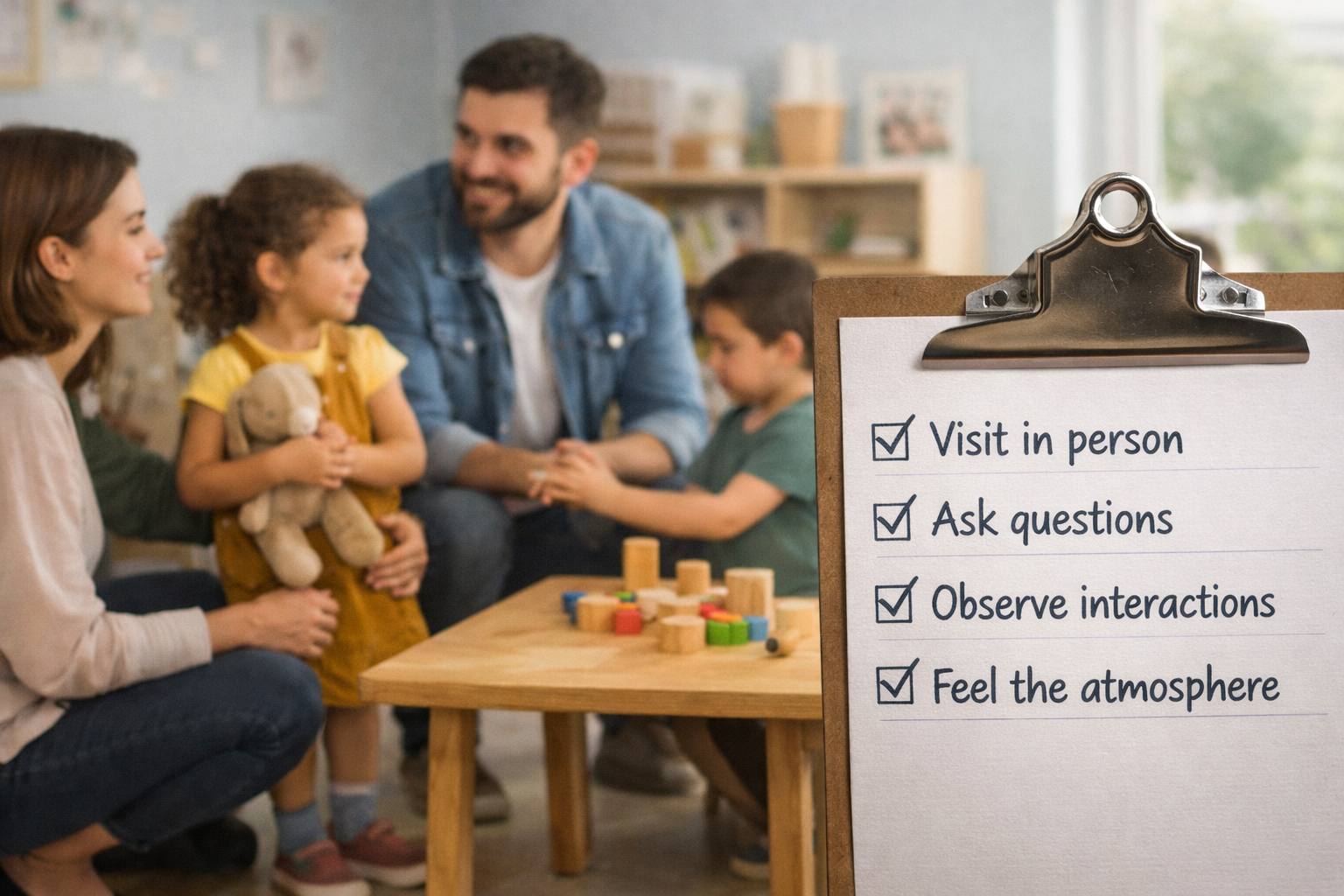
OUR APPROACH AT PRECIOUS GEMS
By this point, many parents begin to recognise what they’re looking for.
Not perfection. Not promises. But a place that feels aligned with how they want their child to grow.
At Precious Gems, the approach is rooted in creating a genuine home-from-home environment — one where children feel safe, settled, and confident enough to be themselves. Familiar routines, calm spaces, and consistent care form the foundation of each day.
Time outdoors is treated as an important part of learning, not an add-on. Through Forest School and regular outdoor experiences, children are encouraged to explore, move, and connect with the natural world in ways that support both physical and emotional development.
Food plays a big role too. Freshly prepared meals are cooked on site by an in-house chef, with a focus on nutrition, variety, and helping children build a healthy relationship with food from an early age. Mealtimes are unhurried, social, and treated as part of the learning experience.
Care doesn’t stop at the nursery doors. Regular visits into the local community — including time spent with residents at Lavenders care home — give children meaningful real-world experiences. These moments help children develop empathy, patience, and a sense of connection that goes beyond their immediate environment.
Emotional safety sits at the centre of everything. Children are supported through big feelings, encouraged to express themselves, and given the reassurance they need to grow in confidence at their own pace.
And throughout it all, communication with parents remains open and ongoing. Questions, conversations, and feedback are always welcomed — because trust is built through transparency, not assumption.
For families who value warmth, connection, and thoughtful care, this approach often feels familiar the moment they walk through the door.

WHAT WE TELL EVERY PARENT
Why Confidence Comes From Comparison, Not Pressure
One thing is always said to families who are choosing a nursery:
Take your time.
Visit other settings. Ask questions. Compare what you see and how each place makes you feel.
Good nurseries don’t need to rush families into decisions. In fact, the most confident choices tend to come when parents feel free to explore their options properly.
Every nursery has its own personality. Some will feel lively and busy. Others quieter and more familiar. What works beautifully for one child may not feel right for another — and that doesn’t make either choice wrong.
The most important thing is that the decision feels considered, not hurried.
Parents usually know when something fits. It’s often not one big moment, but a series of small signals — the atmosphere, the conversations, the way their child responds, the sense of trust that builds naturally.
When those things line up, the decision feels less like a leap and more like a recognition.
And that’s exactly how it should feel.
A SIMPLE INVITATION
If what you’ve read here reflects the kind of environment you’re looking for, you’re always welcome to come and see Precious Gems in person.
A visit is simply a chance to look around, ask questions, and get a feel for the space — without pressure or expectation. It’s about giving yourself the time and space to decide whether it feels right for your family.
If you’d like to arrange a relaxed show around, we’d be happy to welcome you.
Because choosing a nursery isn’t about being convinced — it’s about feeling confident.
Choosing a nursery can come with a lot of questions — and it’s not always easy to know who to ask.
That’s why we’ve put together a series of free guides for parents, covering many of the topics that come up when preparing for nursery life. They’re there simply to support you, based on what we’ve seen families experience over the years.
If you’d like to take a look, you can find them here: http://preciousgemsnursery.co.uk/ebook.php
Thank you
Precious Gems